


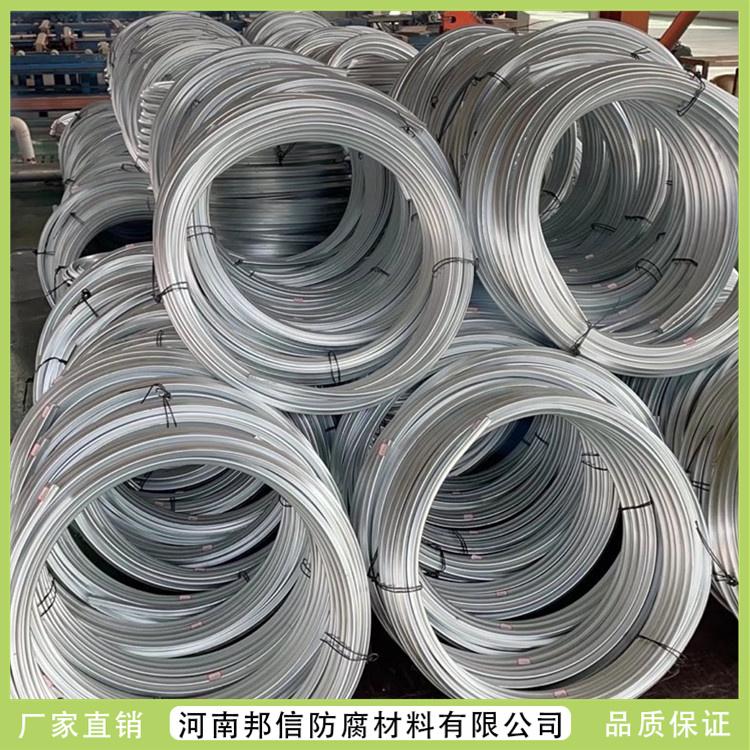
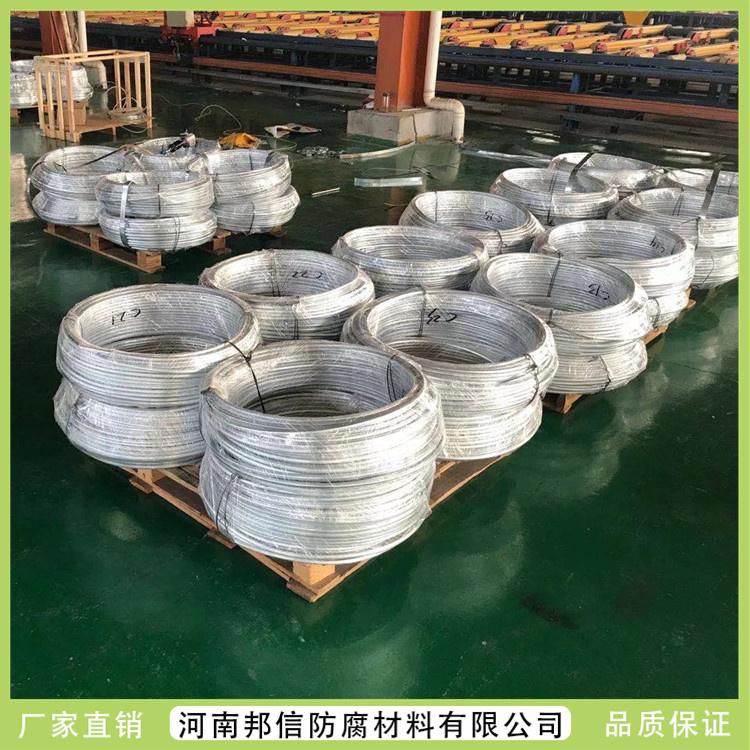
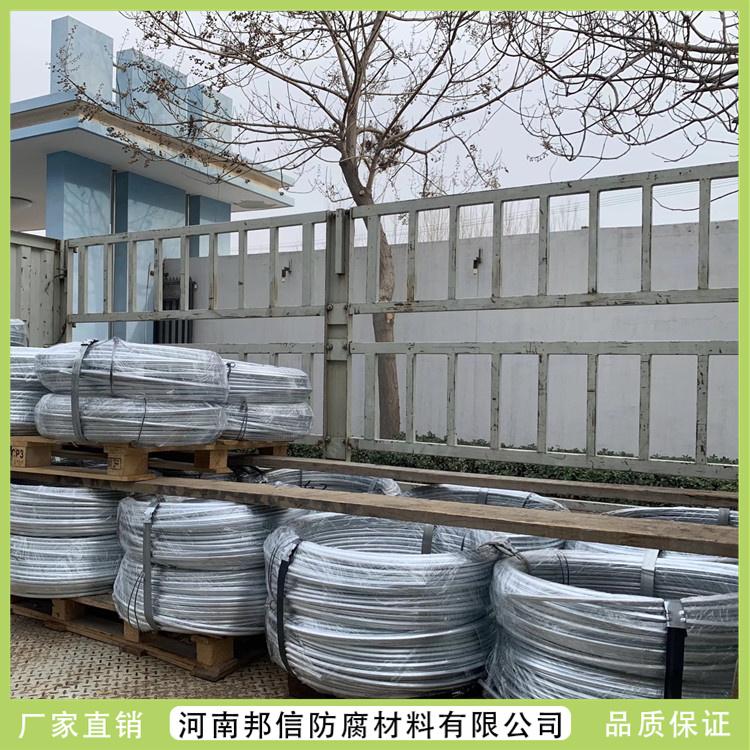
Cathodic Protection Strip Zinc Alloy Sacrificial Anode for Strong Electrical Interference Prevention
Other Products



The corrosion behavior of zinc alloy sacrificial anodes is closely related to temperature. When the temperature exceeds 55~60°C, a polarity reversal phenomenon occurs in the potential, where the original zinc alloy anode turns into a cathode, thereby accelerating the corrosion of the originally protected steel structure. In seawater, at 20°C, the dissolution of this zinc alloy anode is uniform, but from 40°C onwards, intergranular dissolution begins, and at 70°C, significant transgranular corrosion and grain detachment occur. The current efficiency of sacrificial anodes also decreases as seawater temperature rises.
The driving voltage of zinc alloy sacrificial anodes for steel is only about 0.2V, but they are still widely used today.
In the sacrificial anode protection of ship hulls, zinc and zinc alloy anodes account for about 90% of all sacrificial anodes used. For protection inside ship compartments, especially in oil tanker compartments, zinc and zinc alloy sacrificial anodes are a viable material because they do not produce sparks upon impact with steel structures.
For external protection of pipelines in seawater, bracelet-shaped or semi-circular zinc alloy anodes are used. These anodes can also be used for internal protection of containers in brackish water or high-salinity water.
In freshwater, the use of zinc alloy anodes is very limited due to their tendency to passivate, and when the conductivity of the medium is low, the stable potential and passivation tendency of the anode increase significantly over time. The same applies to their use in soil.


| Industry Category | Chemicals/Chemical Intermediates/Intermediate Compounds |
|---|---|
| Product Category | |
| Brand: | 邦信防腐 |
| Spec: | |
| Stock: | 1000 |
| Manufacturer: | 河南邦信防腐材料有限公司 |
| Origin: | 114101 |


